Wednesday, November 30, 2011

RANDOM ACTS OF…

As the holiday season approaches is important that we take the time to take care of ourselves.  We are 3 dimensional beings nurturing mind, body, and spirit. The stress of this time of year can take its toll on everyone. I propose we all take time out for Random Acts of Mind, Body and Spirit!

Random acts of RELAXATION (MIND): The holidays should be fun, but instead, they can be wracked with stress, anxiety and sometimes even depression. By taking random moments just for you, you can help to reduce some of the anxiety and stress. Meditation, prayer and biofeedback are great ways to relax. Taking time to read a good book, taking a leisurely walk or playing a game with the kids are also ways to unwind.

Random acts of EXERCISE (BODY): As the time crunch hits and the holiday parties abound, finding little random moments to exercise can help keep your fitness plan on track and ward off some of the holiday pounds. Find multiple times during the day where you can take a 2-10 minute exercise break. These can be structured exercises like jumping jacks, lunges, or push ups, or spur of the moment opportunities, like taking an extra flight of stairs or dancing around the house. These become cumulative and can help your holiday season run smooth while you stay fit.

Random acts of KINDNESS (SPIRIT): It is especially nice during this time of year to reach out and touch the spirit of another person.  You might make their day or even their holiday season. These acts do not need to be lavish or extravagant. They can be as simple as buying someone their holiday meal, or sharing a smile or a kind word.
 
By combining Random Acts of Relaxation, Exercise and Kindness we address each component of the individual.  Together, they will relieve stress, keep us healthy, and allow us to reach out and help a neighbor.  HAVE A BLESSED HOLIDAY SEASON!

Sunday, November 13, 2011

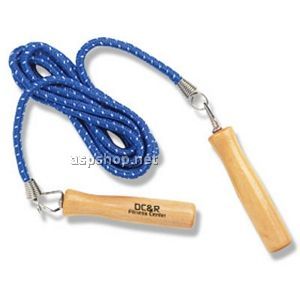
Jump Rope

All movement requires energy (also known as adenosine triphosphate, or ATP), and our bodies use many energy systems (the ability to convert fat, carbs and protein into ATP) simultaneously to allow us to move with various intensities. The million dollar question is which movement is the best? The answer?? It depends! It depends on what you wish to accomplish.
We all come to the table with different wants and likes, and different body types and health histories.  Therefore, the “best” exercise for you may not be the “best” for someone else. One of the most simple and basic exercises that may work for you may be in your own back yard!  It’s the jump rope! If you are not limited by health concerns, it can add a great metabolic boost and offer the most bang for your work out buck.
To start, jump with both beet together as you swing the rope. Or, alternate the feet as if running.  As you advance you will be able to do a variety of foot positions.

To be an effective jumper it is important to wear a good pair of athletic shoes and be light on the balls of the feet. Make small circles with the wrist while keeping the arms close to the sides of the body. It is important to maintain an upright posture while jumping.

Start with small goals of 20- 50 consecutive jumps, building up to 100 – 500 consecutive jumps. Once you’ve mastered that, work on building up to 10 minutes of non-stop jumping.

Research has found that ten minutes of jump rope is equal to:
·         30 minutes of jogging
·         2 sets of tennis singles
·         18 holes of golf
·         30 minutes of racquet ball playing
·        
Jumping rope can be a versatile tool that can be incorporated in to various aspects of your work out.  It can be an effective warm-up or part of a circuit for high intensity training. It can also be used as an active rest during training, or a workout in and of itself.

No matter how you use the jump rope, it will add variety and intensity to your workouts with almost no equipment.

Wednesday, November 2, 2011

Hi! I'm Your Heart

I look nothing like the valentines and little heart-shaped candies you give out on Valentine's Day. I am actually about 12 oz in weight (about the size of your fist) and reddish – brown in color.  I am a muscle, located in the middle of your chest, slightly to the left.  Many times when people think of me, they think that I am very delicate and even fragile.  This is very far from the truth.  I am strong enough to circulate all the blood around your body about once every minute.  This provides your body with all the oxygen and nutrients it needs.  As the blood pumps through the body it also carries away waste products.  I am a very hard working double pump system.  One pump carries blood to the lungs and the other pump moves the blood out of the lungs into all the working parts of the body.
Generally if you take care of me you don’t need to give me a second thought. I will keep doing my job.  Occasionally, due to heredity, I may cause some problems.  Most of the time the trouble I give you can be avoided by following some simple rules.  First, lets look at your weight.  When you’re overweight it makes me have to work much harder because I have to push the blood through so much more area. Carrying extra weight can also increase your blood pressure which makes me also have to work harder and get very little rest during my rest time (the bottom number of your blood pressure).
The next thing to consider is smoking.  Nicotine is very stressful to me.  It causes my arteries to constrict which again makes me have to work against pressure.  Nicotine is also a stimulant which makes my normal number of beats per minute speed up.
Now, I would like you to consider exercise.  Regular exercise helps to me relax and decrease some of the stress you put on me.  Exercise will also help to burn off some of that extra weight, which will reduce the stress on me.  Additionally, performing regular exercise (most days of the week) at a moderate intensity helps to create the formation of new blood pathways. 
Finally, let’s consider your eating habits.  By following a healthy eating plan that limits fats and sweets you can reduce the plaque that is forming in my arteries.
So if you could watch your weight, stop smoking, get some regular exercise and cut back on the rich foods you and I can work together for a long time!

Tuesday, October 11, 2011

JUST GET MOVING!

Many people get stuck, never starting or follow through on an exercise program. They get bogged down on formal conditioning programs which are very structured and aim at achieving a particular goal. More people would have success just by making MOVING as a part of their conditioning program. Moving can be accidental, social and fun. There is definitely a place for structured conditioning, but adherence may be improved if moving for simply enjoyment was just as important.

1) Movements are 3-Dimensional and Dynamic.

2) Movements take into account the effects of gravity.

3) Movements teach your body how to stop, decelerate and control motion.

4) Movements are subconsciously driven...not having to THINK about everything we do.

5) Movements are variable in terms of positions, loads, vertical distance, horizontal distance, and angulations in all three planes of motion and in every possible movement.

6) Movement programs are individualized.

7) Movements are fun and creative and can be applied consistently over time.

8) Movements are done mostly from your feet to take advantage of gravity and ground forces.

9) Movements are specific to your functional needs: Walking, playing with kids, sports, yard work…

10) HAVE FUN, FUN, FUN!!!

Wednesday, September 21, 2011

MEMBER SPOTLIGHT- Eleanor Jones

I have had the pleasure of working with Eleanor for a number of years. She is a vibrant, energetic, intelligent 94 year old. Her skill at the bridge table is only surpassed by her dedication to wellness. She is an amazing woman who has inspired many from near and far.  Her attitude and drive is incredible.  She is willing to try anything I throw at her. Her posture, ranges of motion and walking have improved remarkably over the time we have worked together. If you workout in the morning at the Cheek Powell facility you have run across this dynamo on a piece of equipment or hanging off the stretching cage.
 
Eleanor began with the wellness center back many years ago when they first  built the pool ( that is now gone) and started the first Arthritis class.  She worked in the pool for two years and then started at the wellness center when it was located on Corbett Street.

  Eleanor loved all the exercise classes from Ti-Chi to strength training and aerobics.  She has been very consistent over the years, but has had to take breaks for a hip replacement, knee replacement, a pacemaker and a very serious time with internal bleeding.  Over the last few years her health has remained strong and Eleanor has been an almost daily sight in the mornings at the wellness center.  She works out twice a week with me. We work mainly on balance, improving posture, coordination and agility. You may see her throwing the sandbells or stretching on the TRX.  On her own, she does the machines and the bike, nustep and arc trainer.

In a conversation with Eleanor she has stated, “I give the wellness center full credit for being able to do anything.  They keep up the equipment well and the personnel are very helpful.  It just couldn’t be any better.  I have all these people who talk to me and I feel like they are all my friends.”

She believes that “Exercise is something that should be made part of your lifestyle, a part of your day.  If you have to ‘work it in’, then you haven’t made it part of your lifestyle. I need to have something very important to happen for me not to come in, unless it is very important, I am here.”

Enough words, check out Eleanor in action!


Sunday, September 18, 2011

Blood Pressure Awareness

Blood pressure is the pressure of the blood against the walls of the arteries.  Blood pressure is the product of the heart pumping blood out and the resistance it gets traveling through the peripheral vascular system. From a physiological point of view, age, weight, gender, ethnicity and family history all affect blood pressure. Mechanically, the pumping of the heart creates a force as the blood pushes against the walls of the arteries.  This is generally a good thing.  When our blood pressure is too low, we often times feel dizzy and faint, because there is not enough pressure to push the blood to the brain.  Many times this low blood pressure is due to medication or dehydration.  Other times our pressure is too high.  This again can be caused by medication, heredity and/ or lifestyle choices (high fat diet, smoking, lack of exercise)
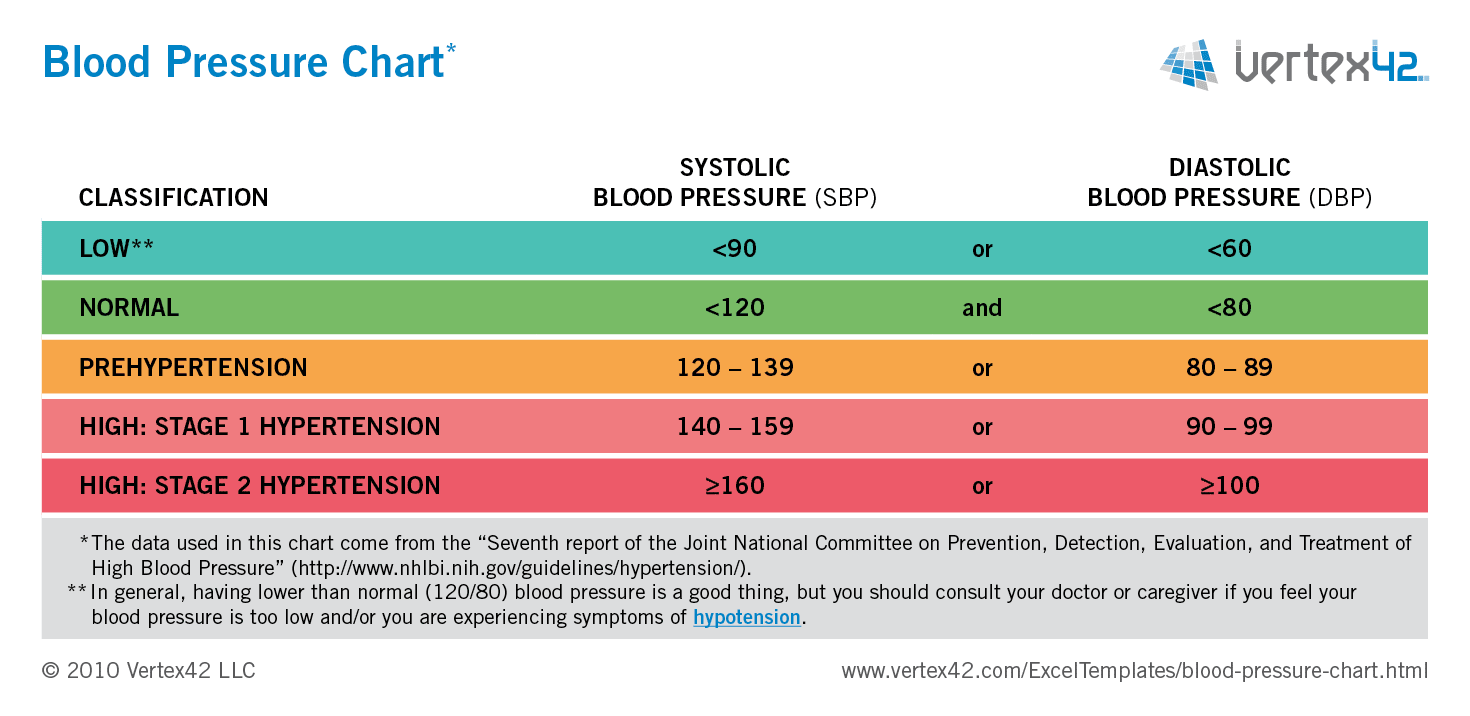
In reading blood pressure the higher (systolic) number represents the pressure while the heart contracts to pump blood to the body.  The lower (diastolic) number represents the pressure when the heart relaxes and fills between beats.  The systolic pressure is always stated first.  Blood pressure of 120/80 mmHg (millimeters of mercury) or below is considered optimal for adults. A systolic pressure of 120 to 139 mmHg or a diastolic pressure of 80 to 89 mmHg is considered "prehypertension" and needs to be discussed with your doctor watched carefully.  A blood pressure reading of 140 / 90 or higher is considered elevated (high) and you will need to confer with your doctor about your best course of action.
Regular exercise also helps you maintain a healthy weight, which is an important way to control blood pressure. But to keep your blood pressure low, you need to keep exercising. It takes about one to three months for regular exercise to have an impact on your blood pressure. The benefits last only as long as you continue to exercise. Studies have shown that moderate aerobic exercise (like walking) is effective in lowering resting blood pressure. Regular physical activity makes your heart stronger. A stronger heart can pump more blood with less effort. If your heart can work less to pump, the force on your arteries decreases, lowering your blood pressure.


.

Tuesday, August 30, 2011

HYDRATION

We live in Florida so hydration always important, but during the hot months staying hydrated is critical. Water is one of the most essential components of the human body. Water regulates the body’s temperature, cushions and protects vital organs, and aids the digestive system. Water makes up 75 percent of all muscle tissue. In addition our fatty tissue is composed of 10 percent water.  Water is also a prime vehicle each cell uses to transport nutrients through the body and dispel waste. And, because water composes more than half of the human body, it is impossible to sustain life for more than a week without it.
It is important to be well hydrated when you begin your exercise. Remember to have adequate fluids accessible during your activity.  Don’t wait till you are thirsty, when your reach that point you are already 2% dehydrated. Having cool fluids on hand not only encourage your to drink during activity but can also help with temperature regulation. After your activity, it's important to rehydrate as soon as possible, preferably within 30 minutes.
One way to measure fluid needs is to weigh pre and post exercise.  Replenish any lost weight. Another easy way to monitor your hydration is by checking the color of your urine. Urine should have a light yellow tinge to it. While it is normal to have darker urine in the morning, try to intake enough fluid during the day to keep urine at a pale yellow color.
Get out and enjoy and bring a bottle of water with you!